
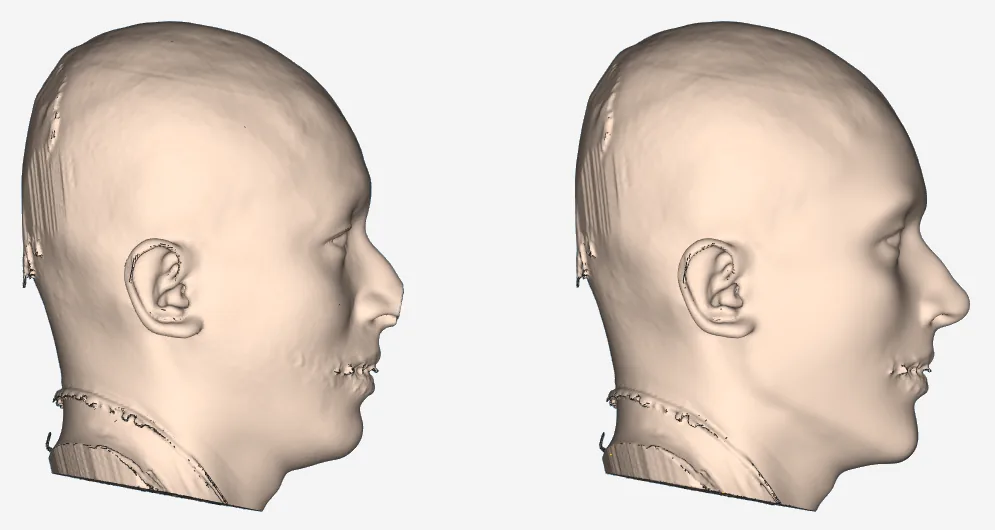


From a heavy frame to a clean, defined face — refined without losing edge
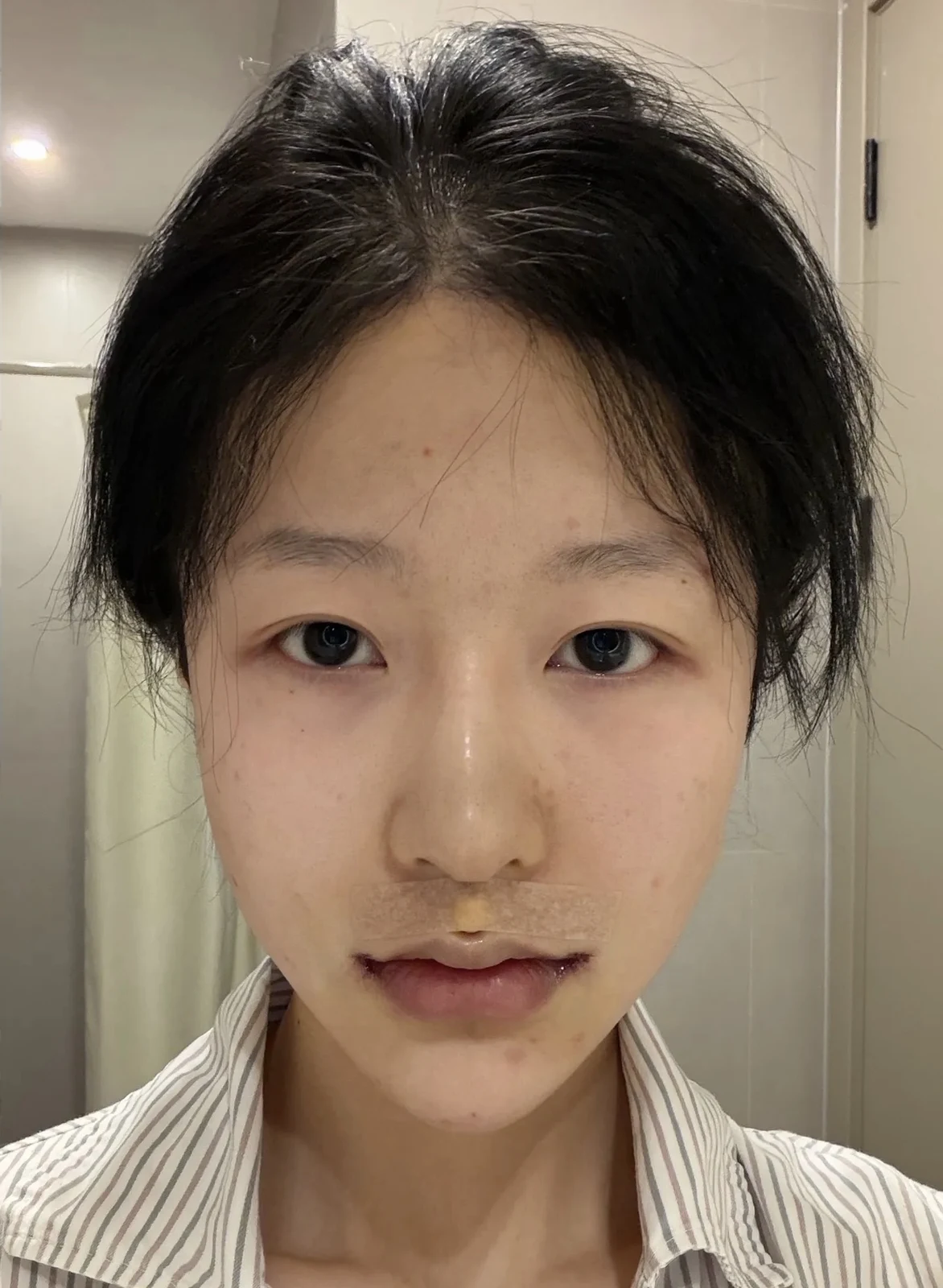
Before treatment
From the front, my face previously looked wide, and the lower half felt quite heavy. Both my cheekbones and mandibular angles had a very strong presence. There was also some soft-tissue fullness, which tended to make my face look shorter and less defined in close-up photos. My goal was never an unnaturally sharp chin. I simply wanted to soften the outward width and heaviness, making the front narrower and the profile smoother while preserving masculine bone structure.
Read full storyShow less
Treatment experience
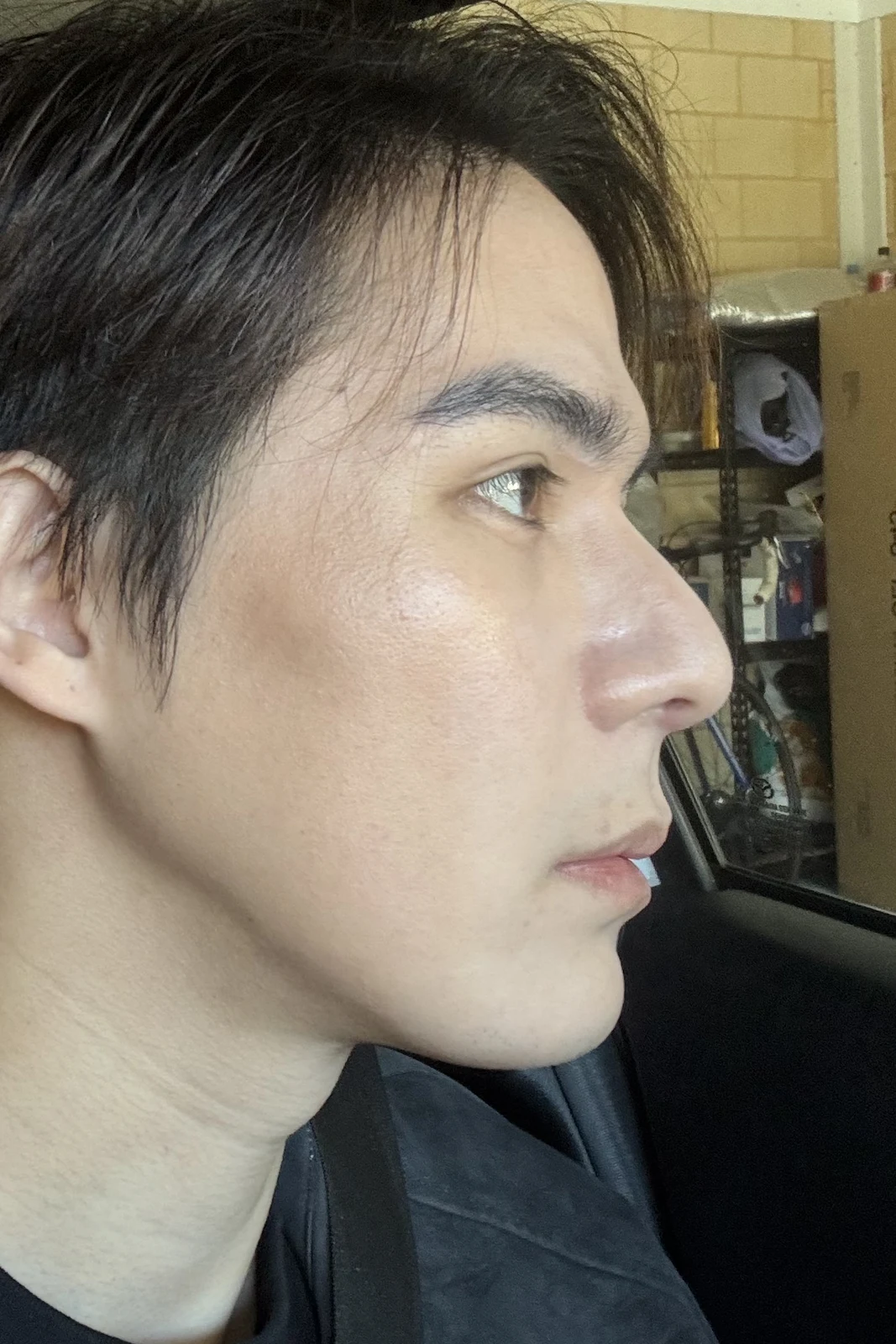
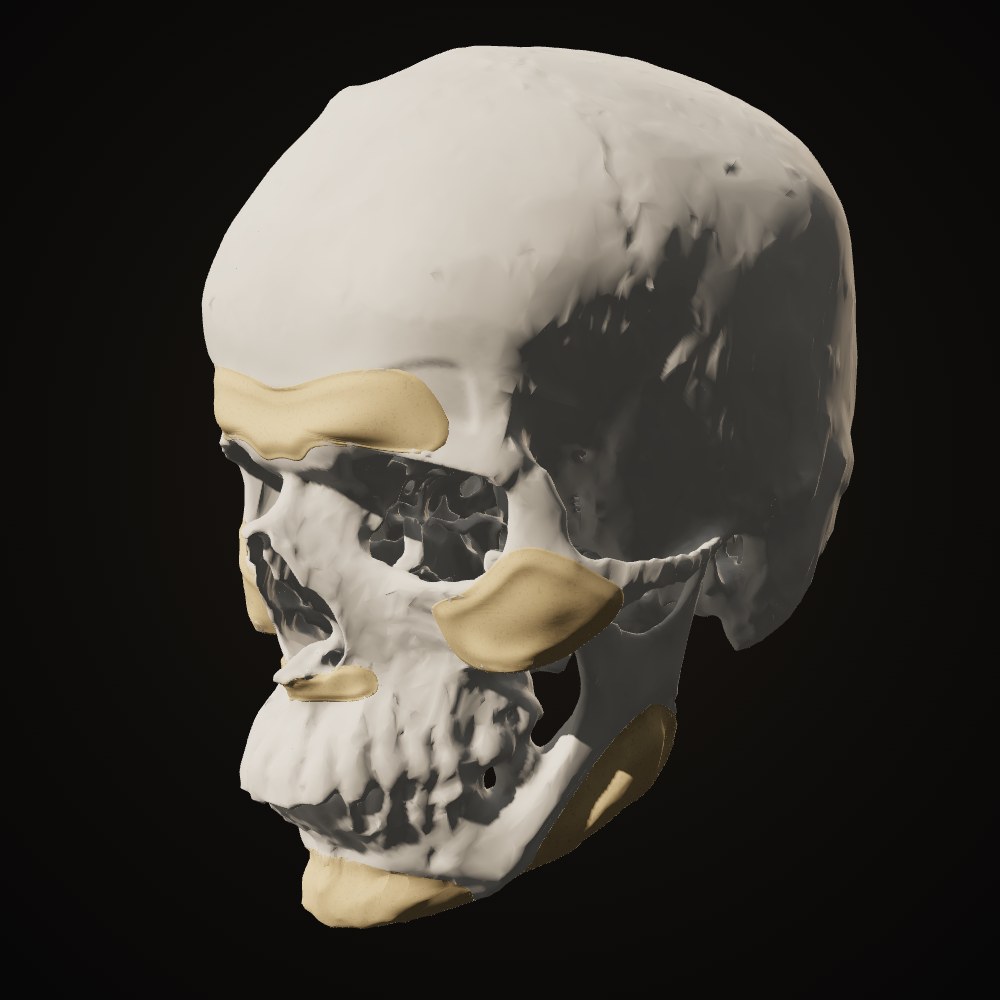
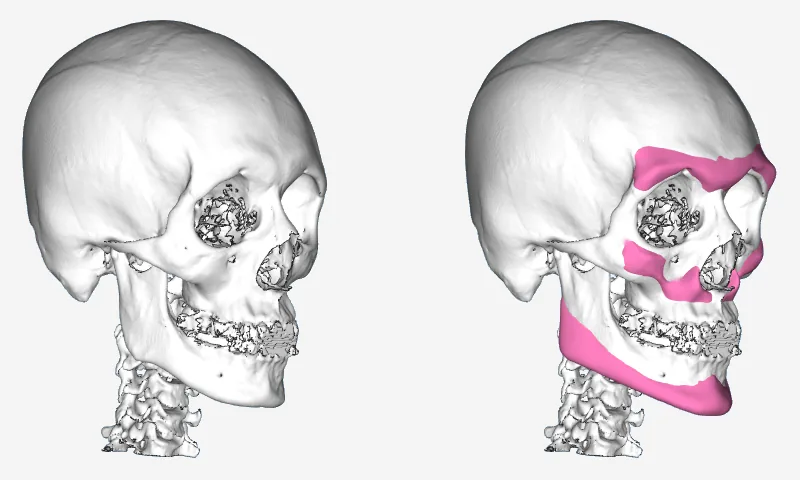
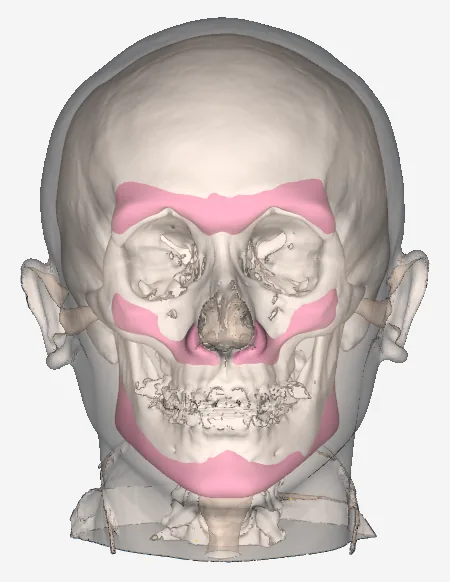
During the consultation, the doctor evaluated everything as a cohesive structure—the zygoma, zygomatic arch, mandibular angle, outer cortex, and buccal tissue together. Because facial proportions are interconnected, the plan prioritized balanced transitions and symmetry across the upper, mid, and lower face. In the immediate post-procedure photos, the smoother lateral transition was already apparent, though normal surgical swelling was present and final definition required time.
Recovery
Facial bone contouring requires patience above all. In the early stages, swelling and tightness are expected, and the face can temporarily look rounder than before. I followed the aftercare instructions closely and avoided obsessively checking day to day. As swelling resolved, the cheekbone width softened and the jawline became clearer. The front profile is noticeably narrower, and the line from cheek to chin is much more continuous. What matters most to me is that my face looks smaller without losing its defined character—my features stand out more naturally.
Note: Maxillofacial bone surgery involves significant anatomical complexity and recovery requirements. Indications, surgical design, and outcomes must be evaluated by licensed specialty medical teams.